Behind The Buddha
A released Windows 3D detective game about a protagonist following the trail of a missing sister into an abandoned mountain temple, where deduction, puzzle reading, exploration, and role-play systems reveal the conspiracy behind the site.
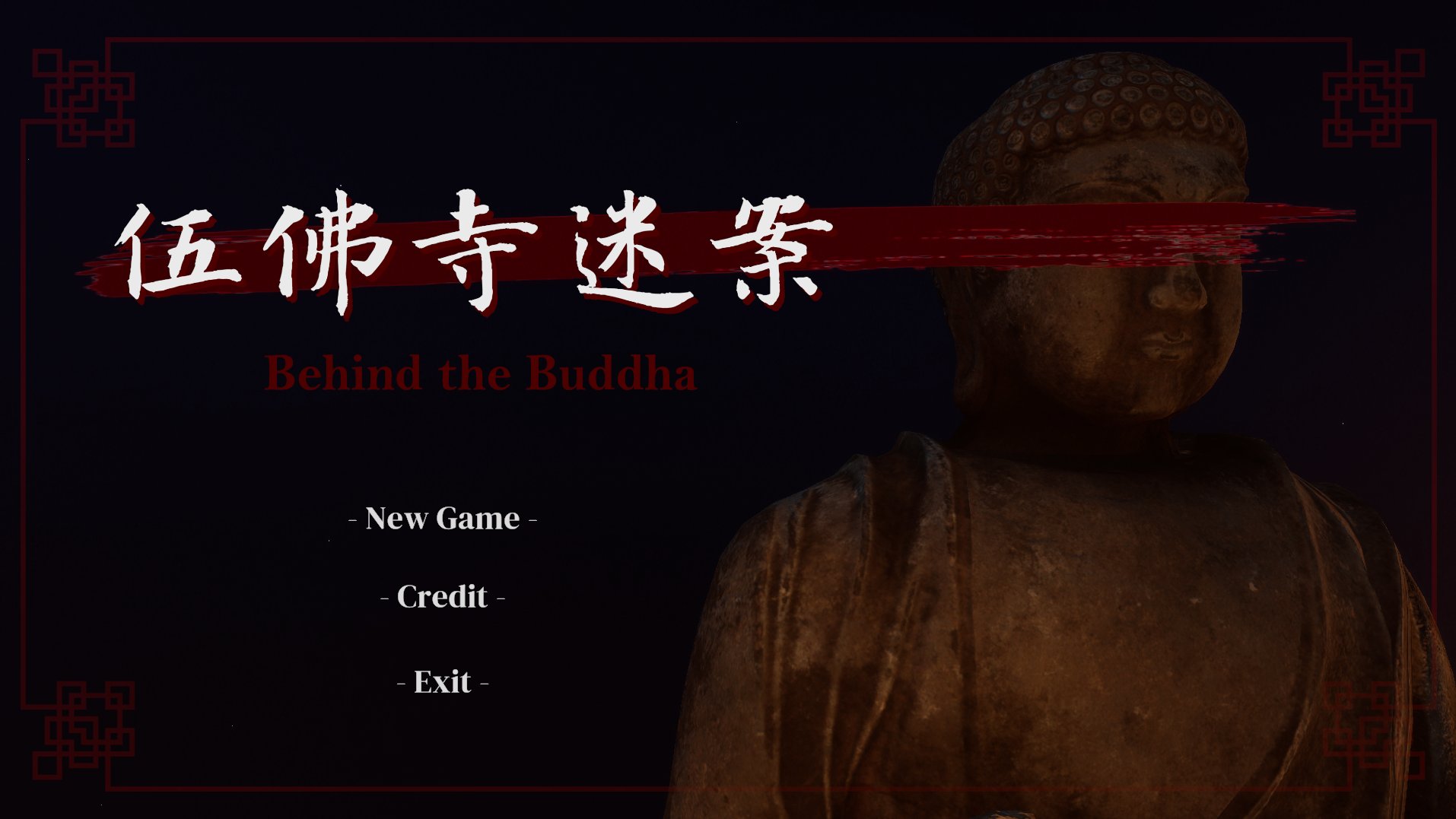
Behind The Buddha - Full Walkthrough
Problem
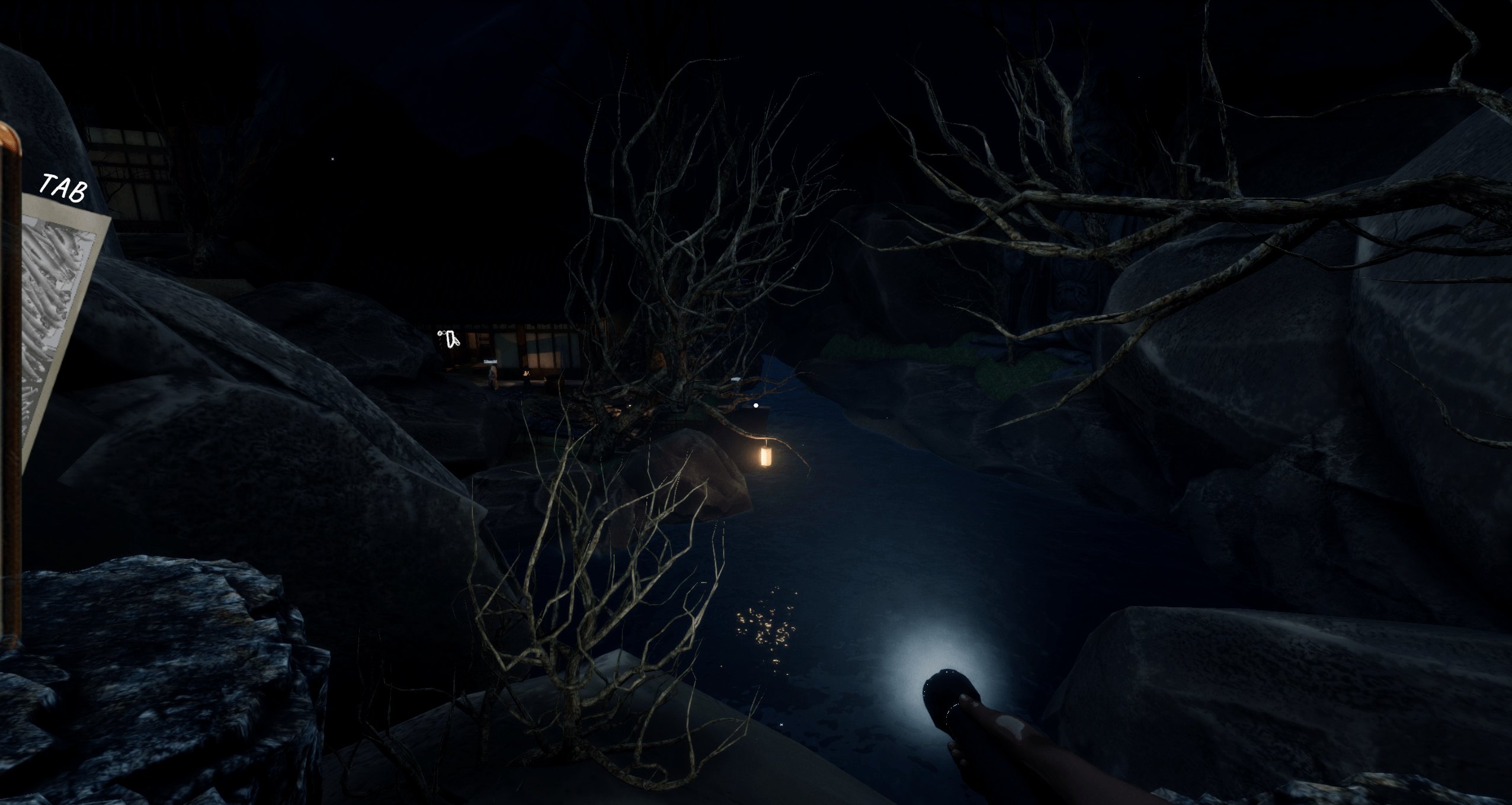
The project needed to make a dark temple mystery readable without flattening the horror. Players had to understand where to go, collect evidence, read narrative material, and still feel enough fear and uncertainty to keep investigating.
Approach
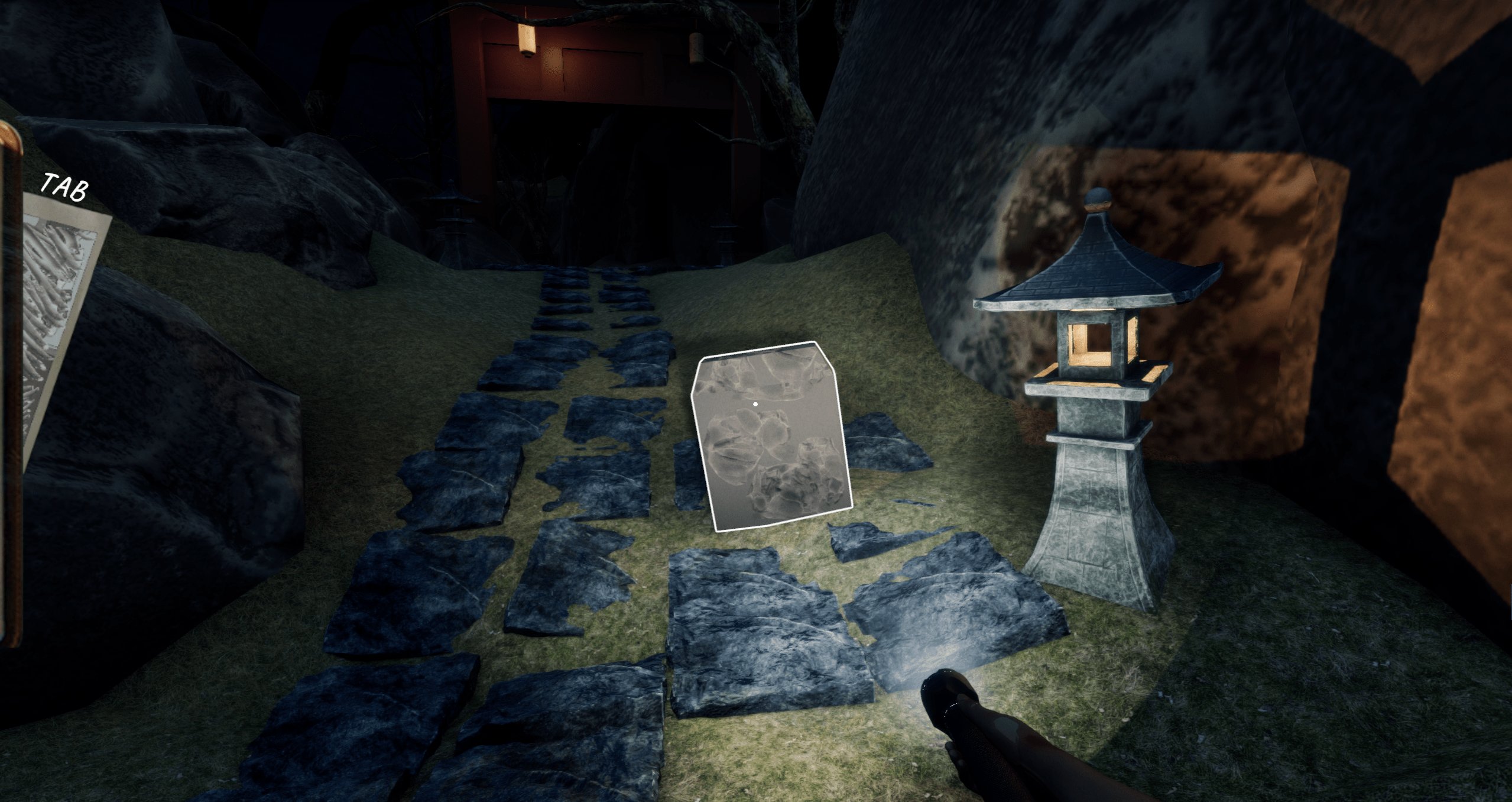
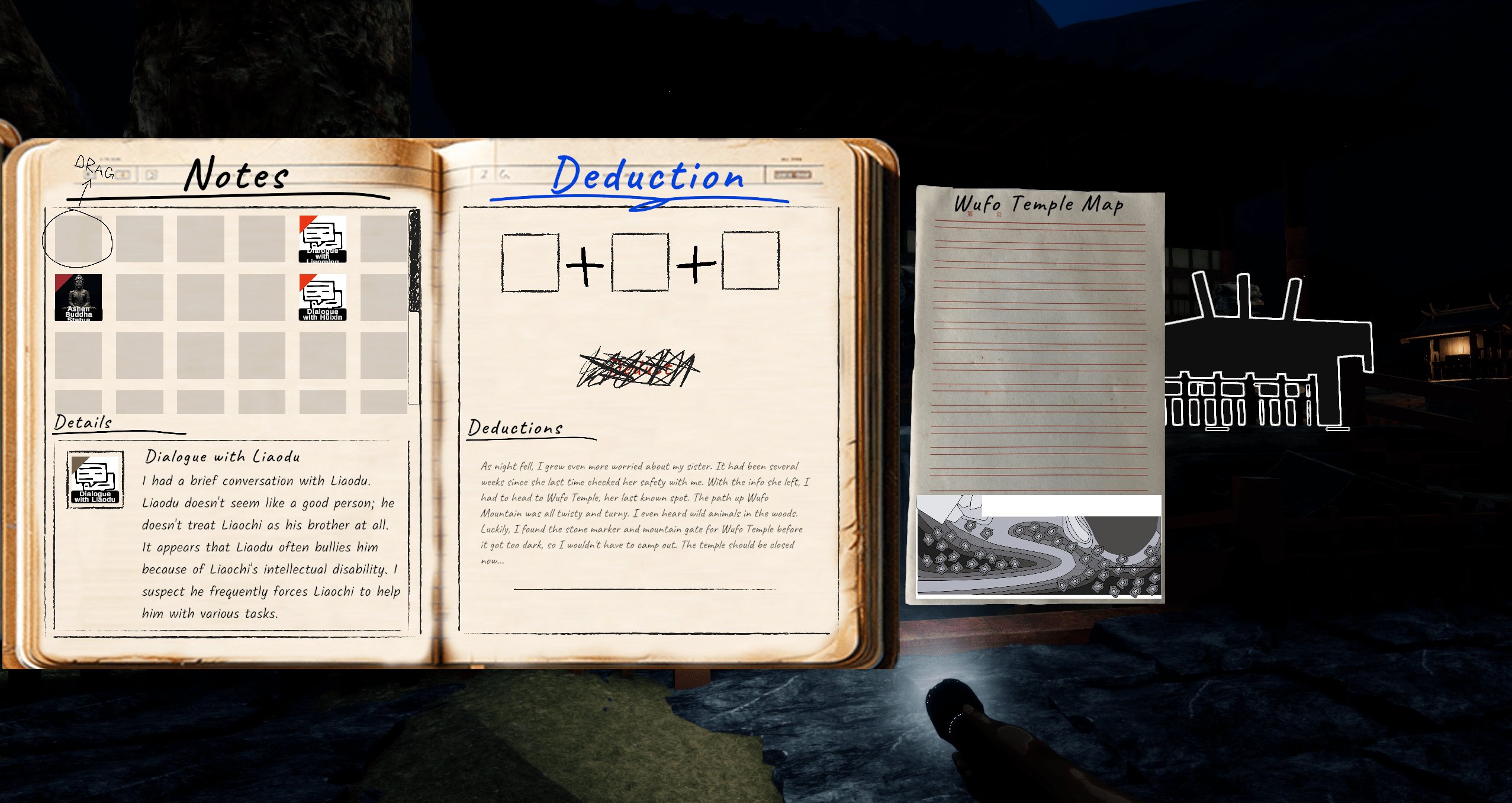
The design used a six-week Trello schedule, a complete GDD, mood board, and map, then organized the level around a readable loop: explore, find a safehouse, return to deeper exploration, and reach the end game. Cutscenes, evidence beats, sound, VFX, and environmental clues were scripted to keep the investigation legible.
Outcome
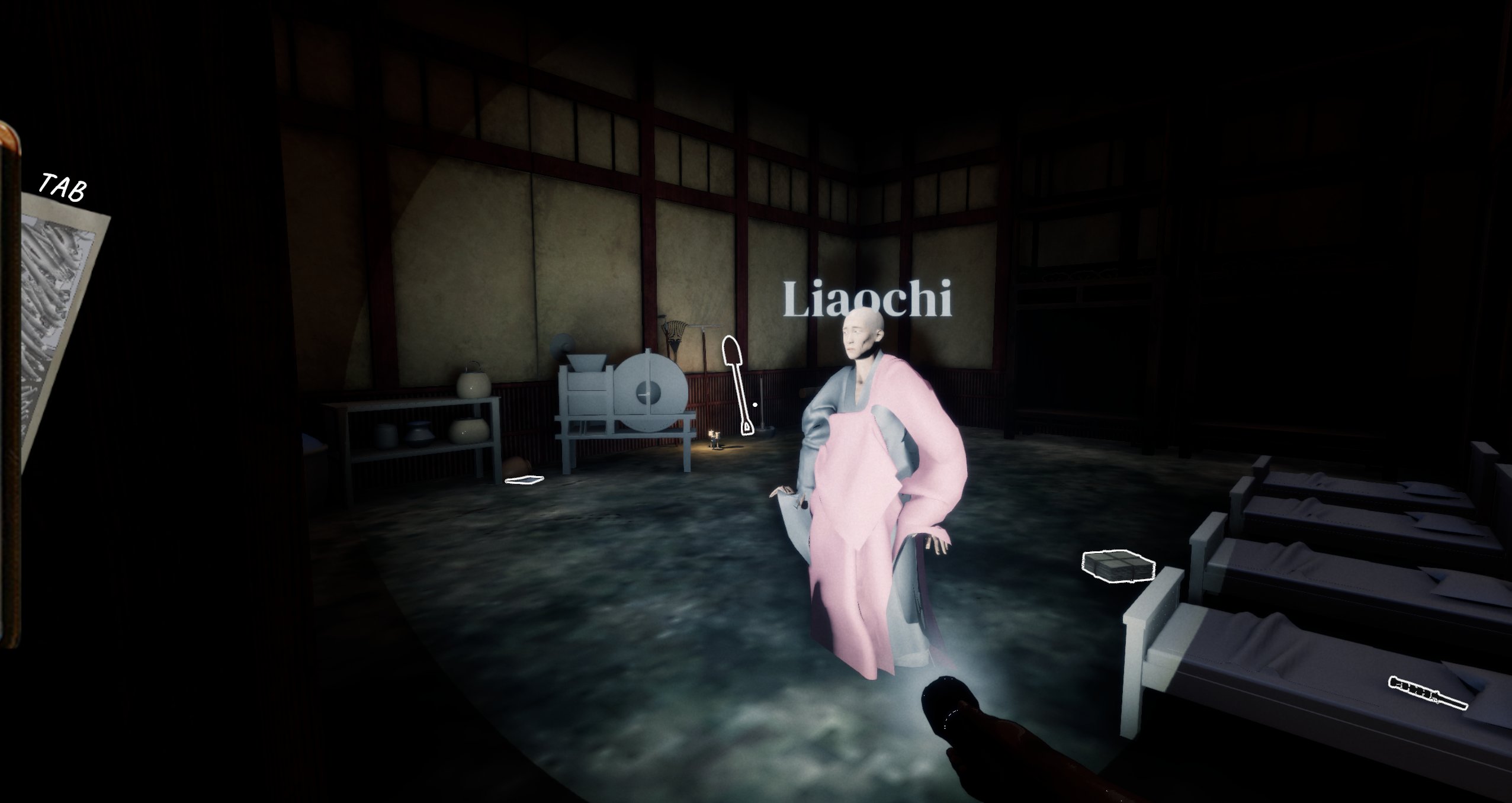
The result is a downloadable 976 MB Windows release that frames the temple as a mystery machine: every NPC story, note, and spatial clue becomes part of a larger deduction puzzle while preserving a daunting atmosphere.
Transferred production notes
- Planned a six-week production schedule in Trello.
- Created the GDD, mood board, and full game map.
- Designed the complete level layout and player path.
- Scripted gameplay sequences, cutscenes, evidence beats, and progression triggers.
- Implemented sound and visual effects.
- Directed the in-game art asset set, including store asset selection and integration.
Player-facing structure
- The player should always understand the next destination.
- The atmosphere should keep a dark, daunting sense of fear.
- Reading and evidence collection must be designed as active play, not filler text.
- The level path follows explore, safehouse, deeper exploration, then end game.
- Information should behave like puzzle fragments: partial clues still let players imagine the story before every piece is found.
Comparable game language
- Welcome to Kowloon
- Amnesia series
- Escape the Backrooms
- Return of the Obra Dinn
Narrative and puzzle notes
- The writing process built each NPC story before moving into the central mystery.
- The documentation followed a character-change principle inspired by Craig Mazin's writing advice.
- The design goal was to make the player feel smart while preserving curiosity through incomplete information.
Original public pages