The Great Art Heist
A released Windows action-stealth game about a masked thief stealing priceless artifacts, searching for keys, and escaping before guards catch the heist in progress.
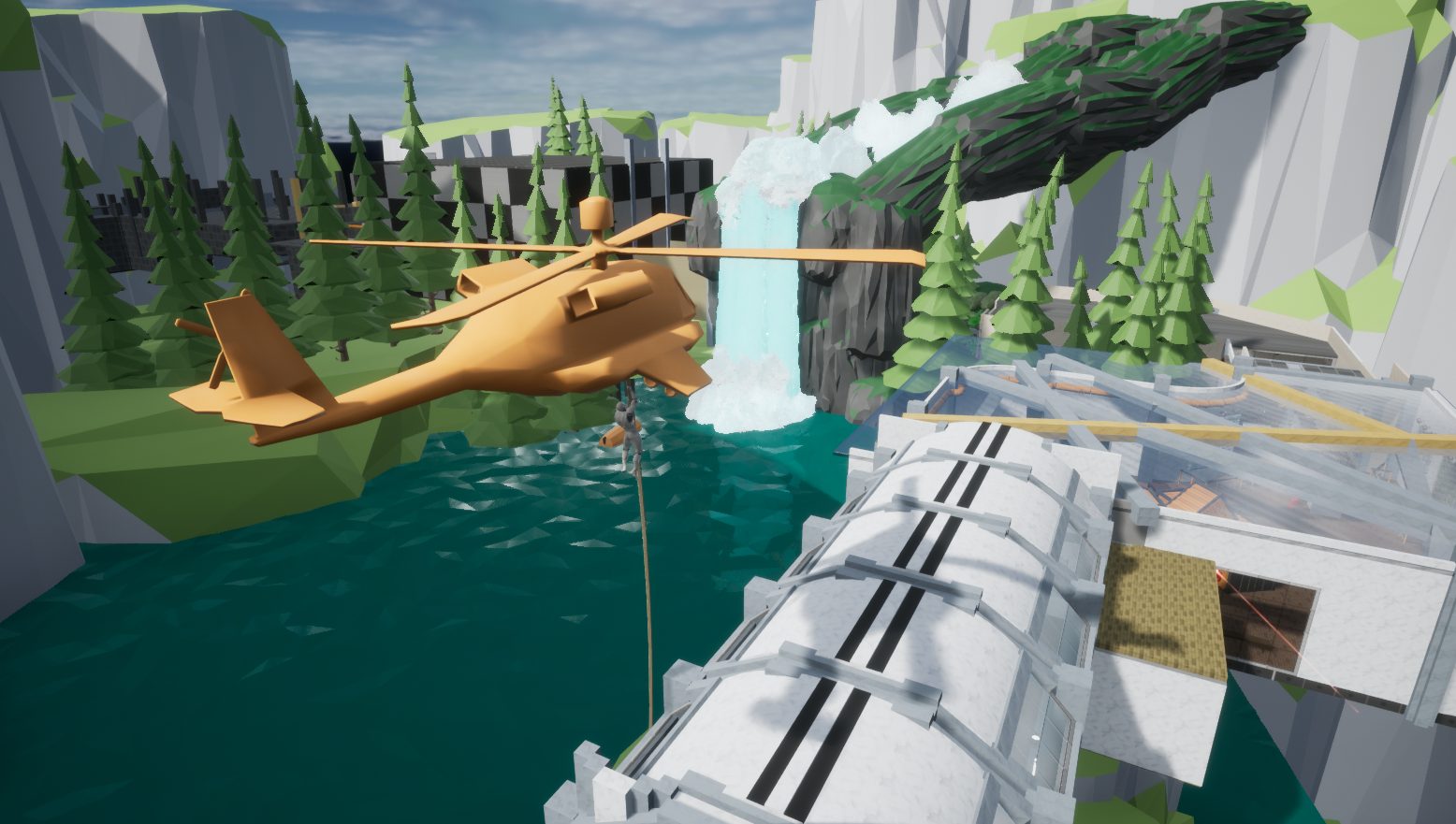
A Great Art Heist Trailer
A Great Art Heist - Playthrough
Problem
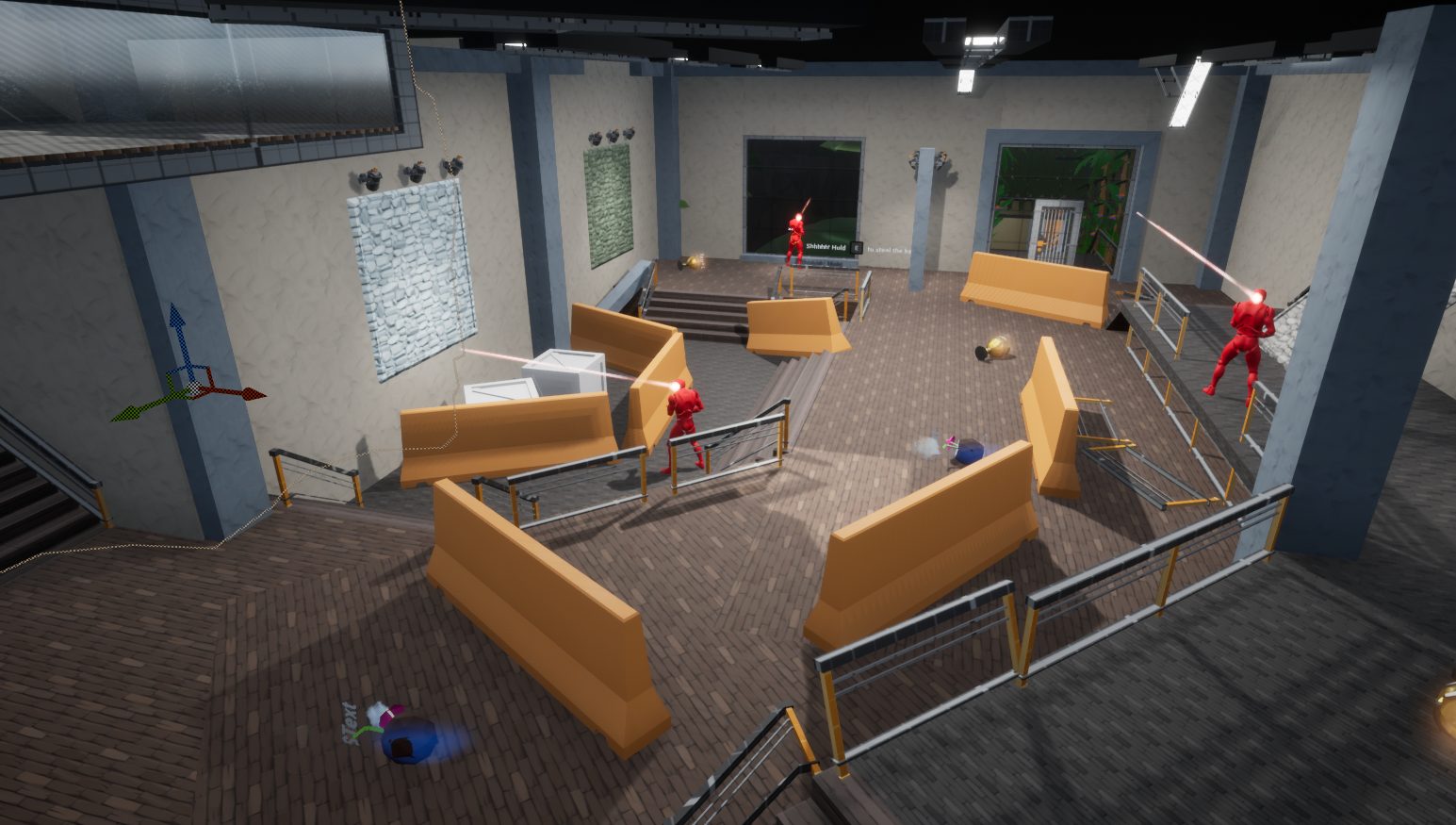
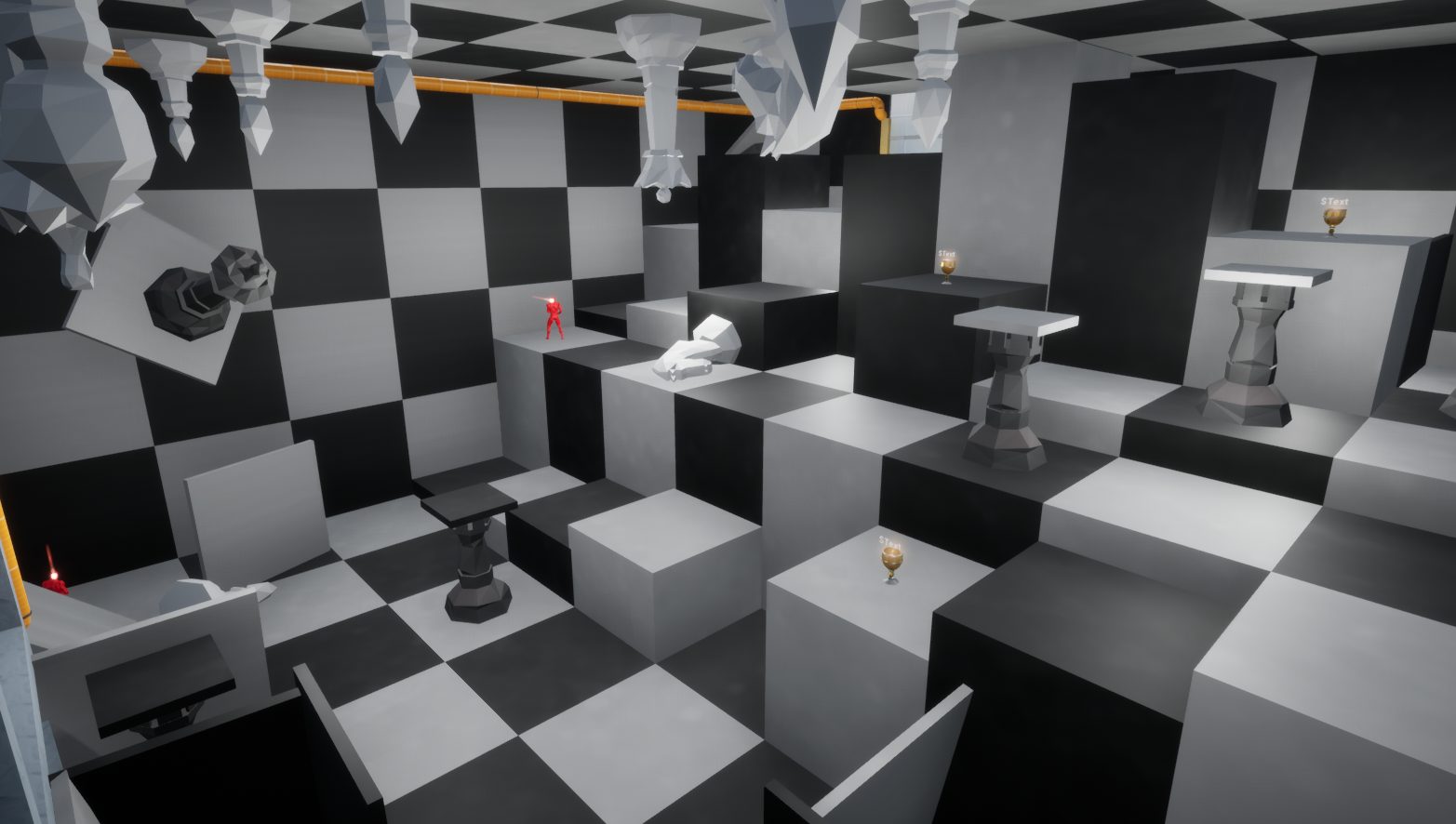
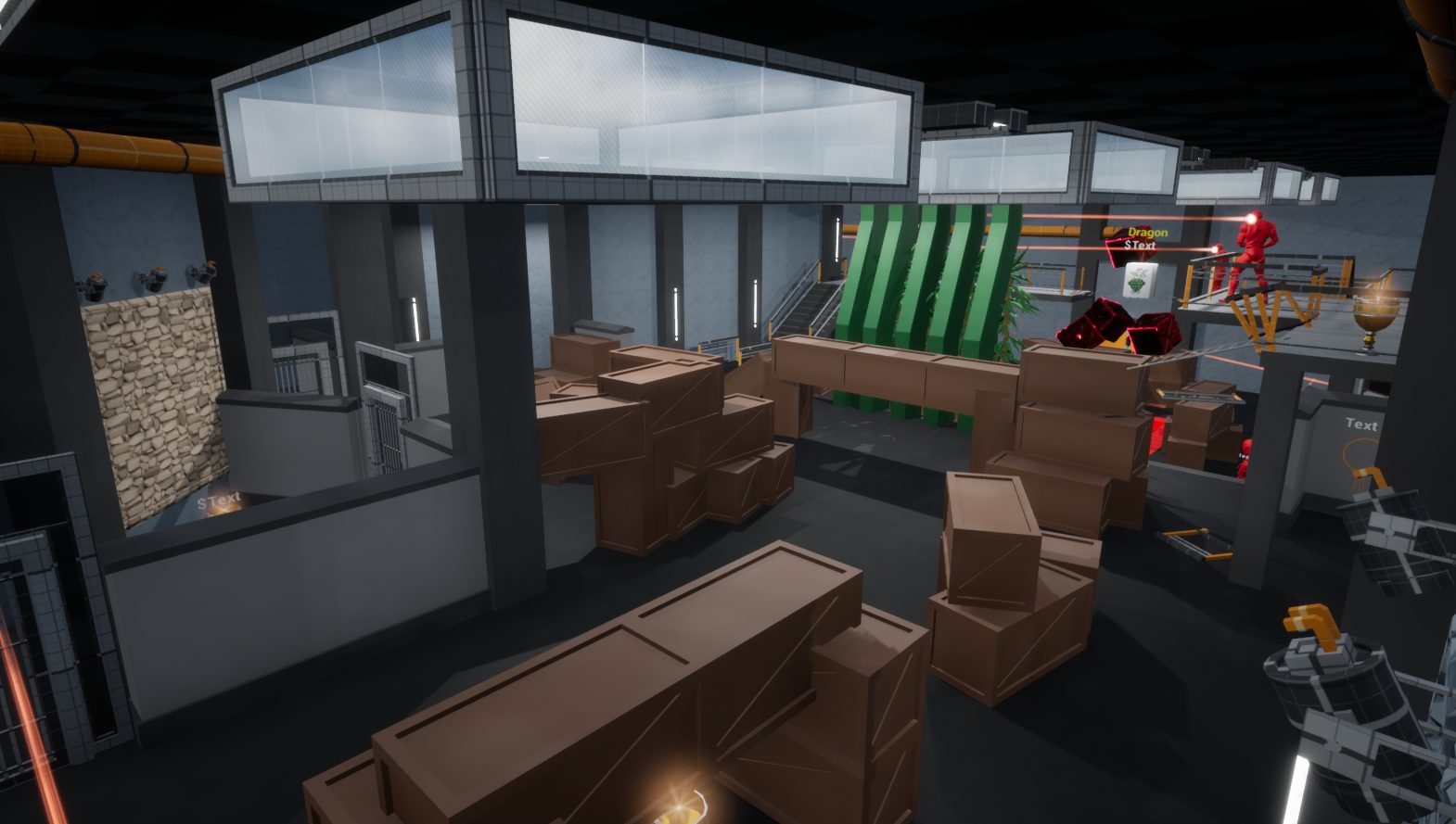
The project needed to make stealth readable and tense in a compact third-person level. Players had to understand the destination, read guard pressure, decide whether to evade or take down enemies, and still feel like they had outwitted the museum rather than followed an obvious solution.
Approach
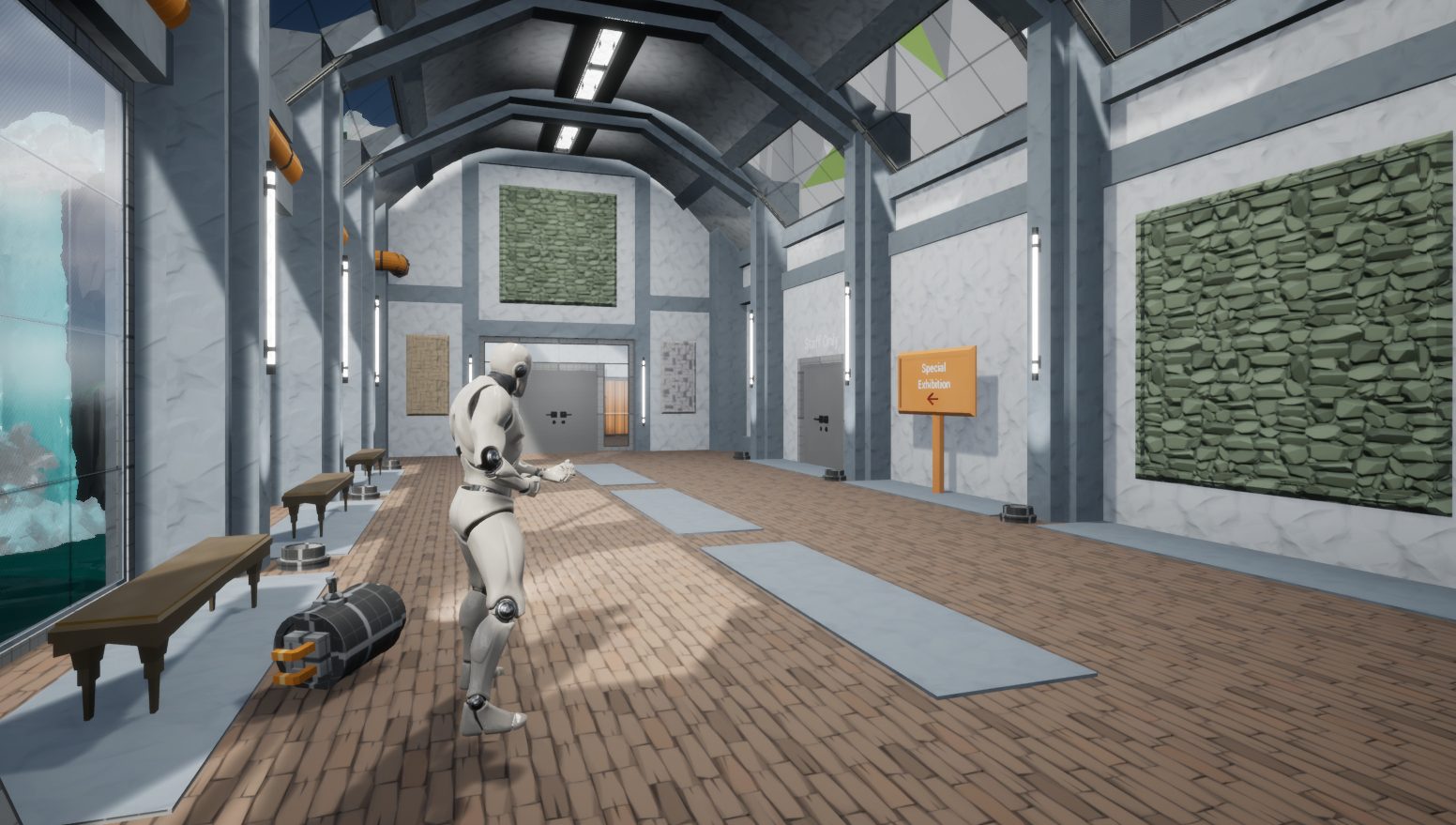
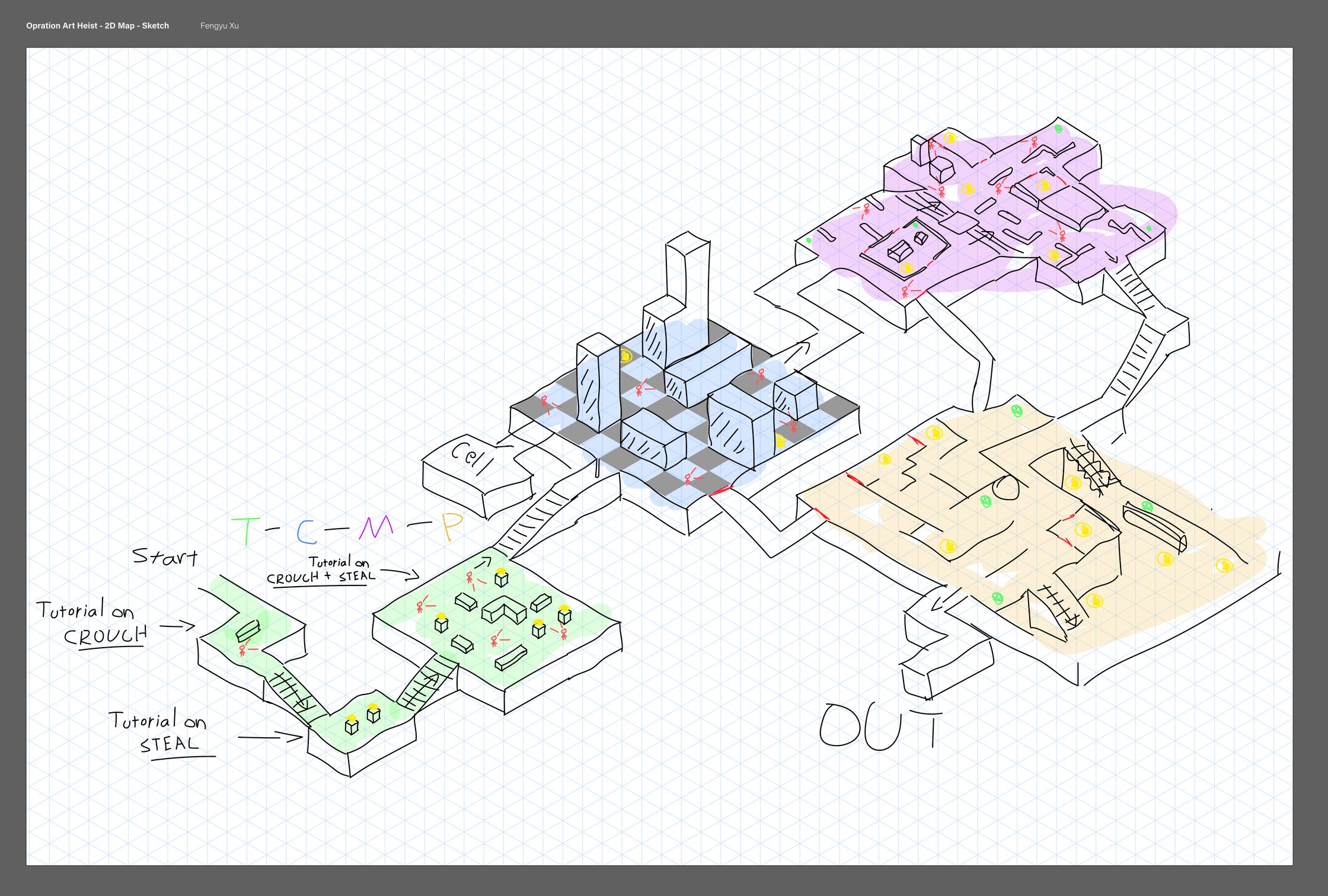
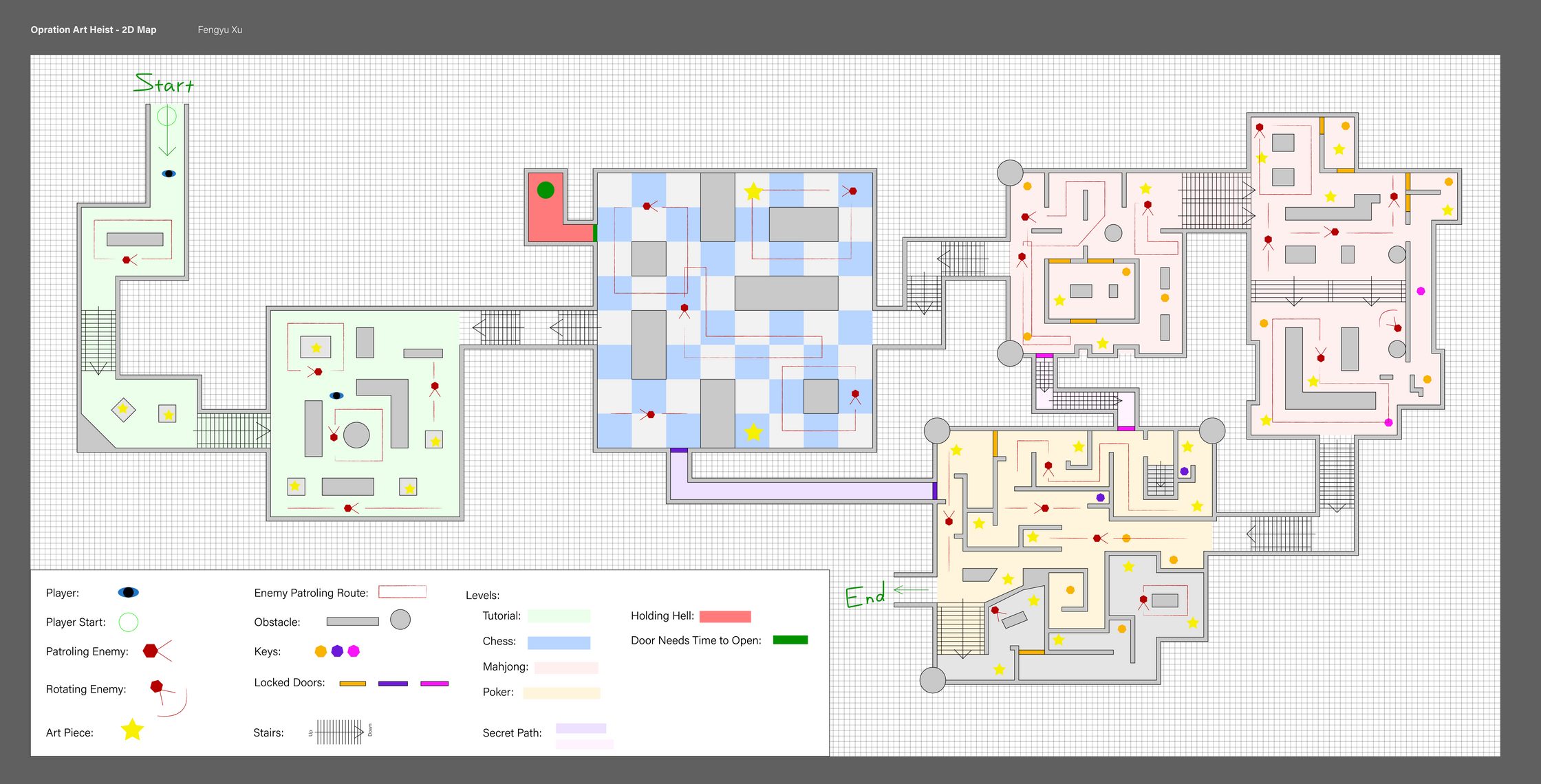
The design used a six-week Trello schedule, GDD, mood board, and level blockmesh. The level was built around clear destination readability and a play-with-prey rule: the player should have space to observe, learn, escape, and recover from enemy pressure.
Outcome
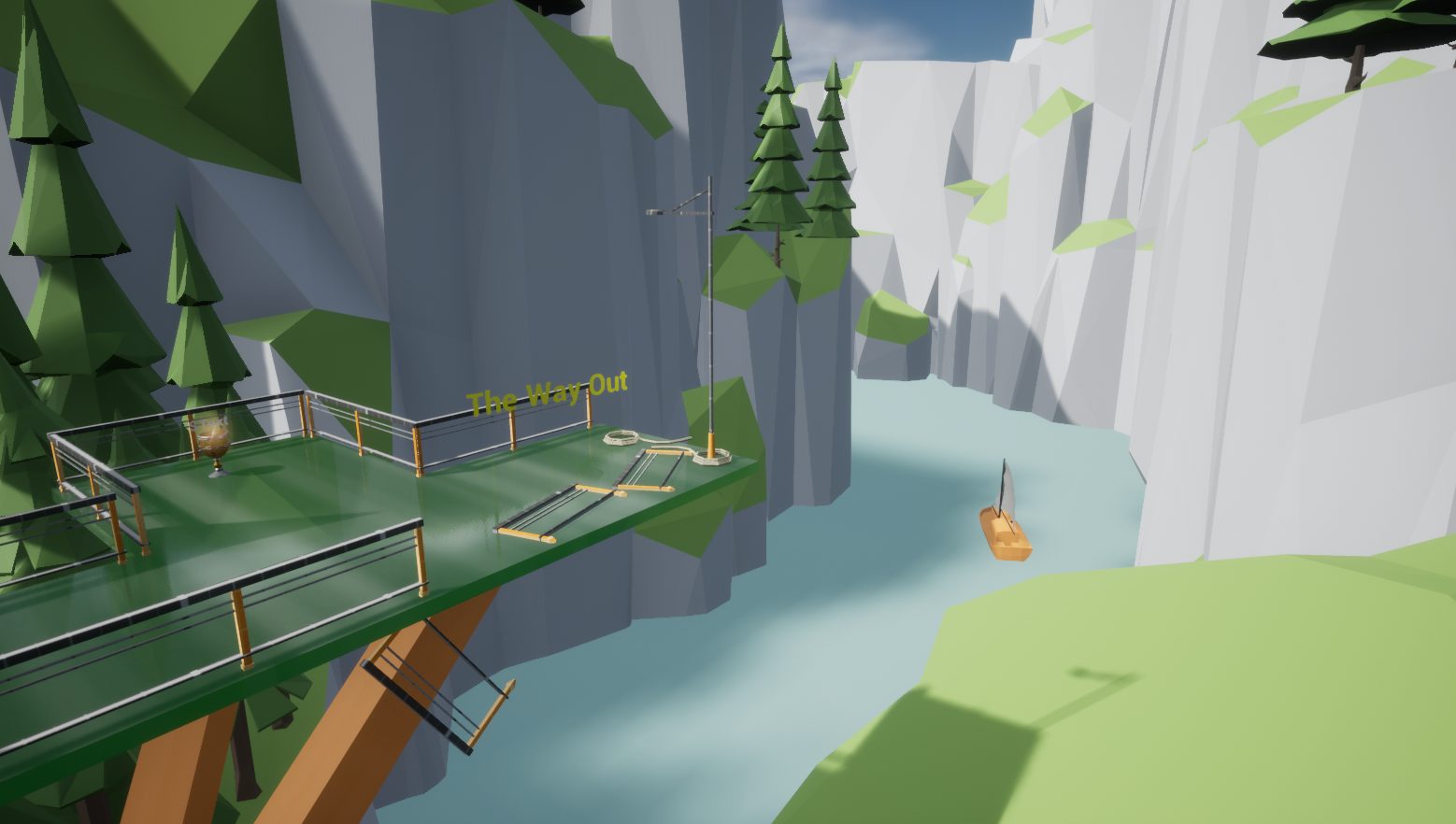
The released Windows demo frames the heist as a readable stealth puzzle: keys, guards, artifacts, and route choices create a loop of scouting, stealing, escaping, and iterating from playtest feedback.
Transferred production notes
- Created a six-week production schedule using Trello.
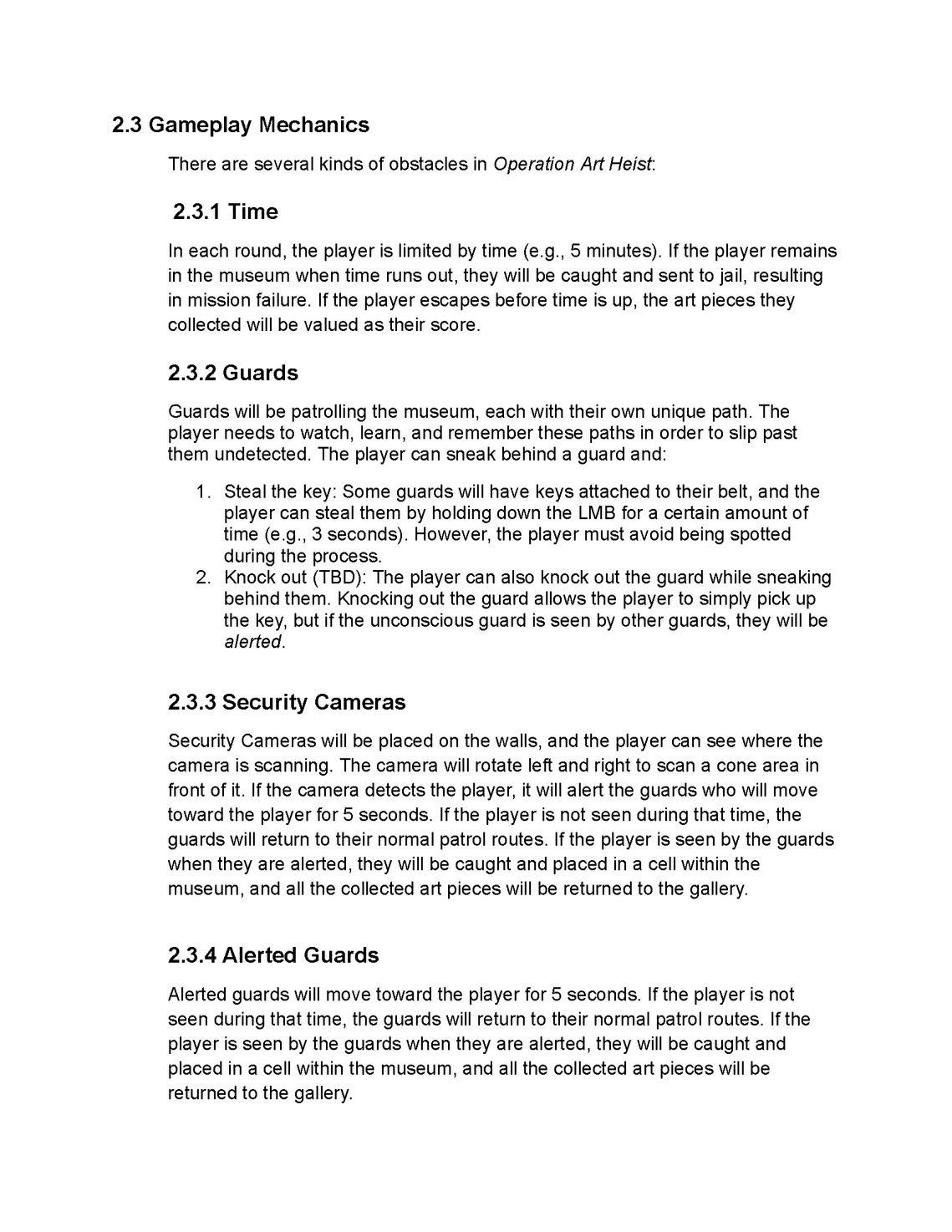
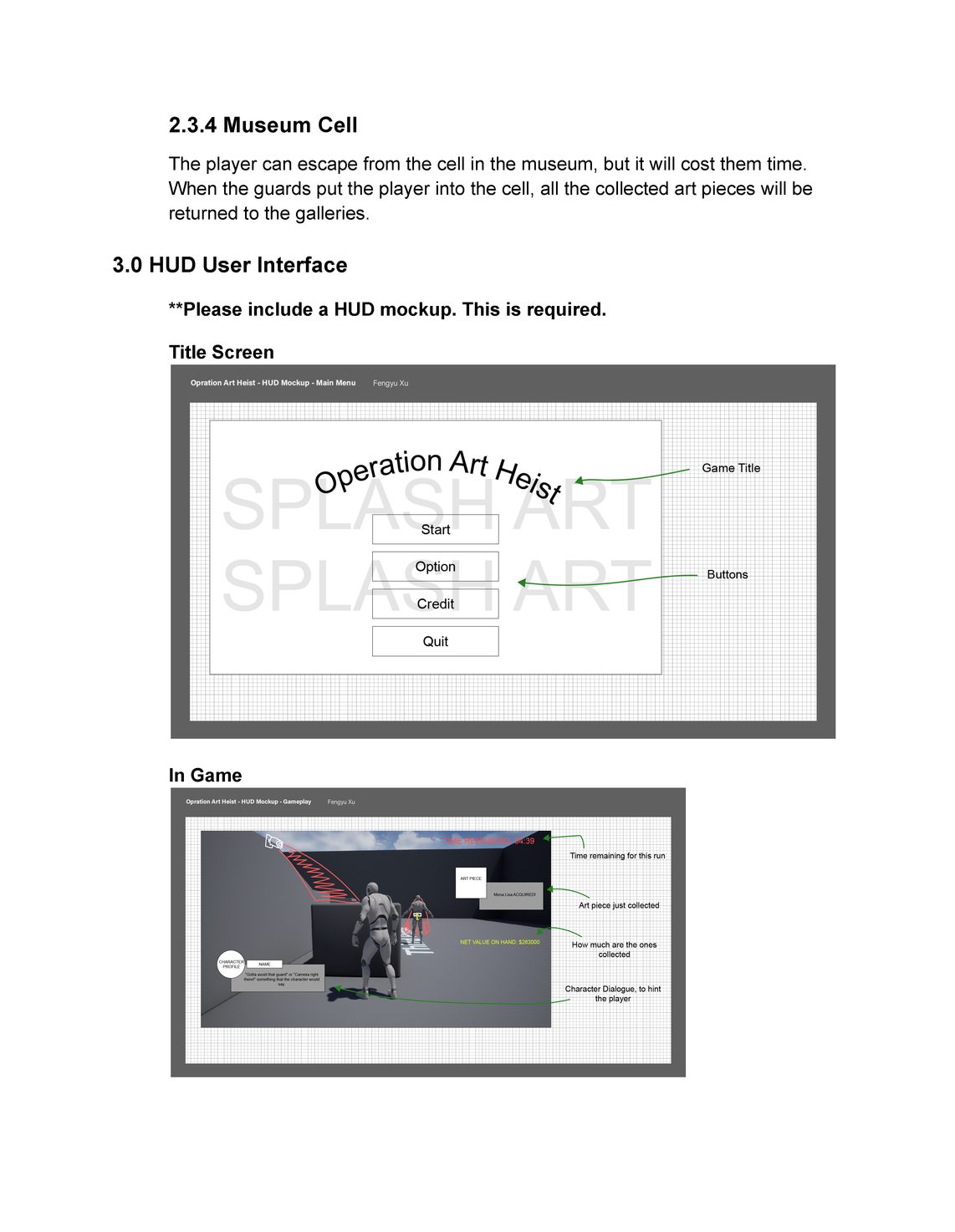
- Created the Game Design Document and mood board.
- Created the level blockmesh.
- Scripted gameplay sequences, including cutscenes, puzzles, and related interactions.
- Implemented sound and visual effects.
- Iterated mechanics and gameplay ideas from playtest feedback and blockmesh testing.
Player-facing structure
- The player must always know where the destination is.
- The player should have opportunities to learn from and escape enemies.
- Stealth decisions should be driven by visual cues in the level.
- The best stealth moments should feel like the player outwitted the scenario.
- Iteration should remove unclear ideas early and add mechanics that survive playtest feedback.
Comparable game language
- Metal Gear series
- Ocean 11
- 60 Seconds!
- Hitman
- Thief Simulation
Narrative and puzzle notes
- Player agency was the core design-document focus.
- The heist loop centers on finding keys, stealing art pieces, and escaping guard pressure.
- Some mechanics were not planned during brainstorming, but emerged from testing the blockmesh.
Original public pages