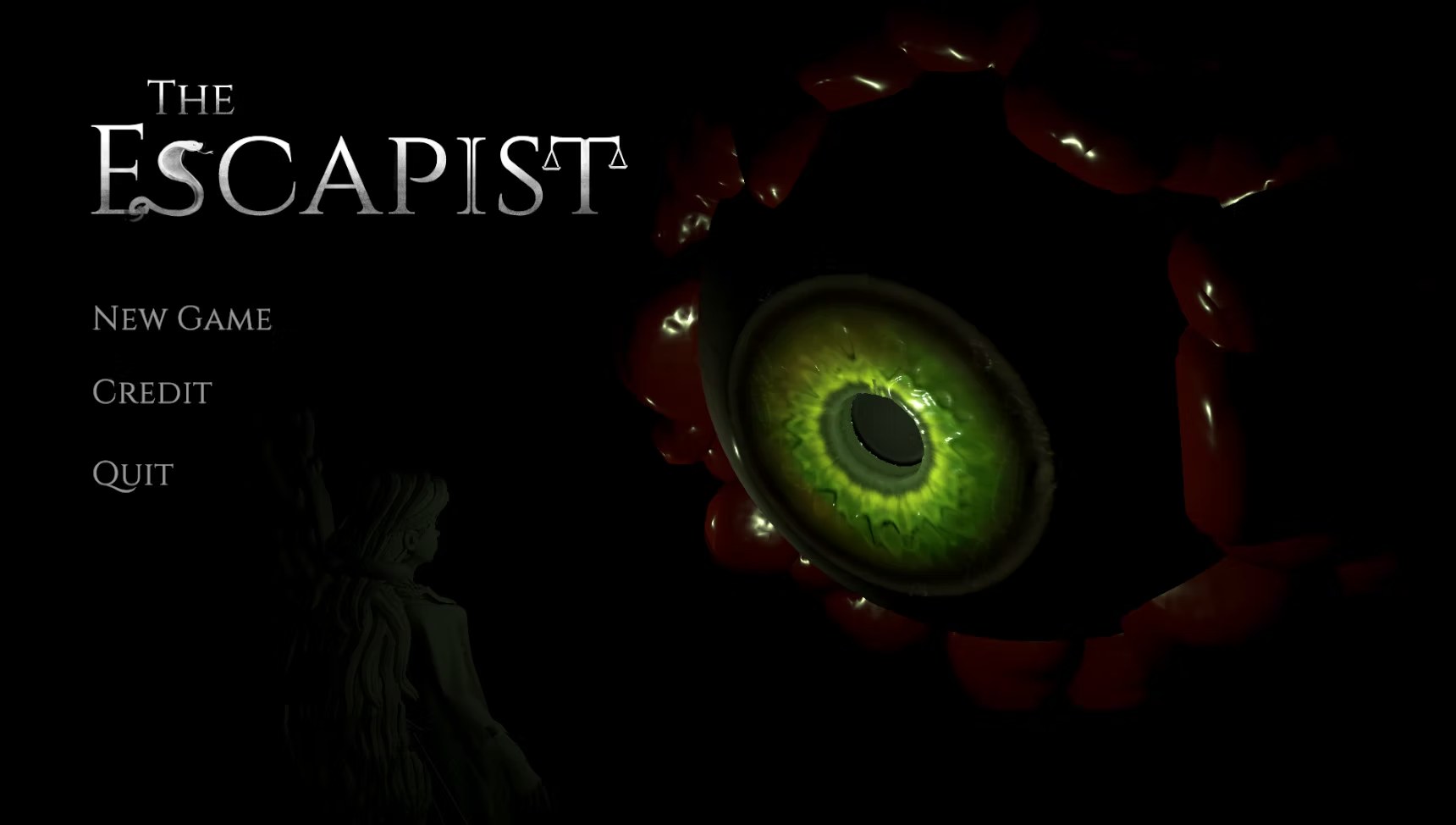
The Escapist
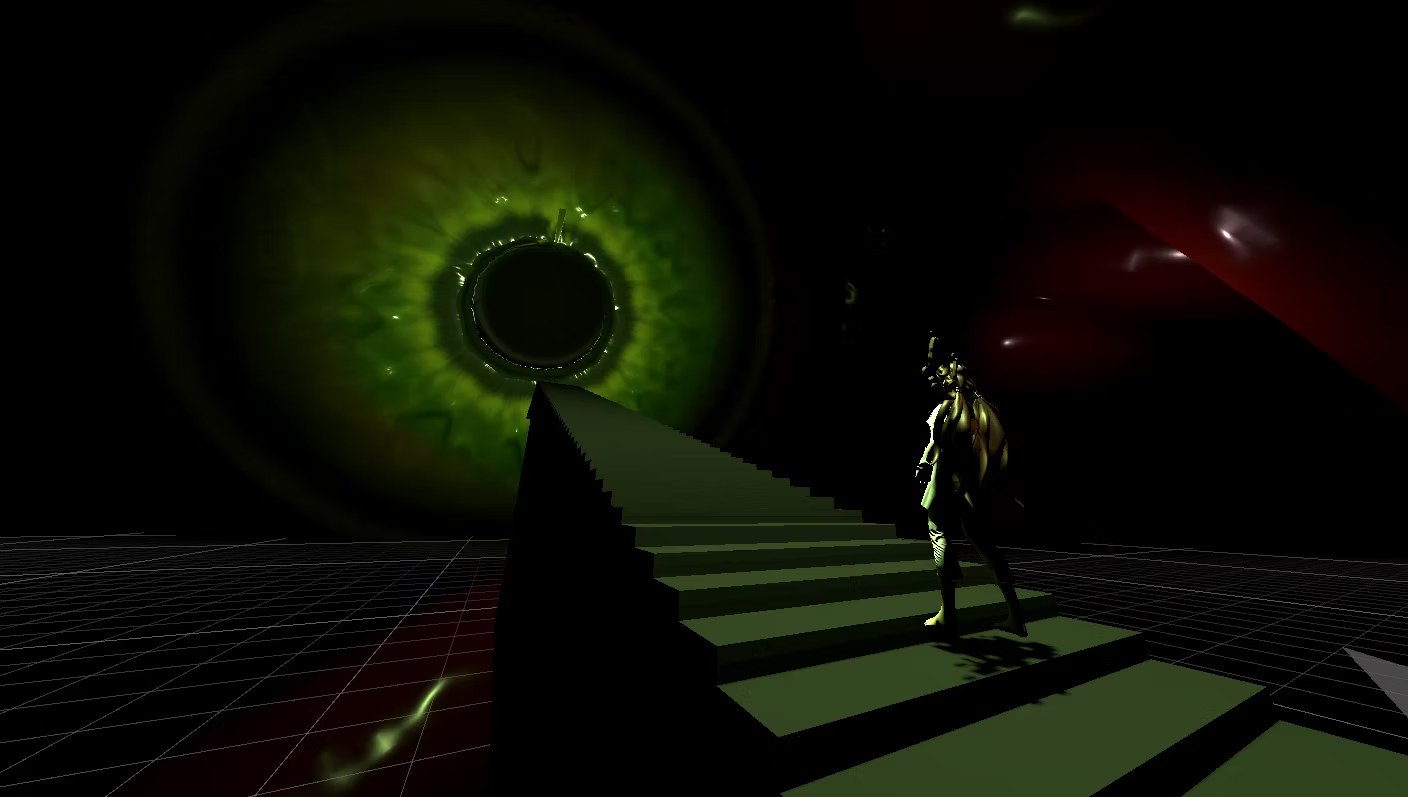
A released Windows and macOS 3D third-person RPG about Merope, a young girl trapped inside a dark Cthulhu mythos-influenced nightmare where puzzles, alliances, and player choices lead toward multiple endings.
The Escapist Trailer
The Escapist Playthrough
Problem
The project needed to deliver a story-rich horror adventure with meaningful choice inside a small-team, seven-week production window. The core risk was keeping multiple endings, puzzle routes, and character alliances readable without losing the pressure of a nightmare setting.
Approach
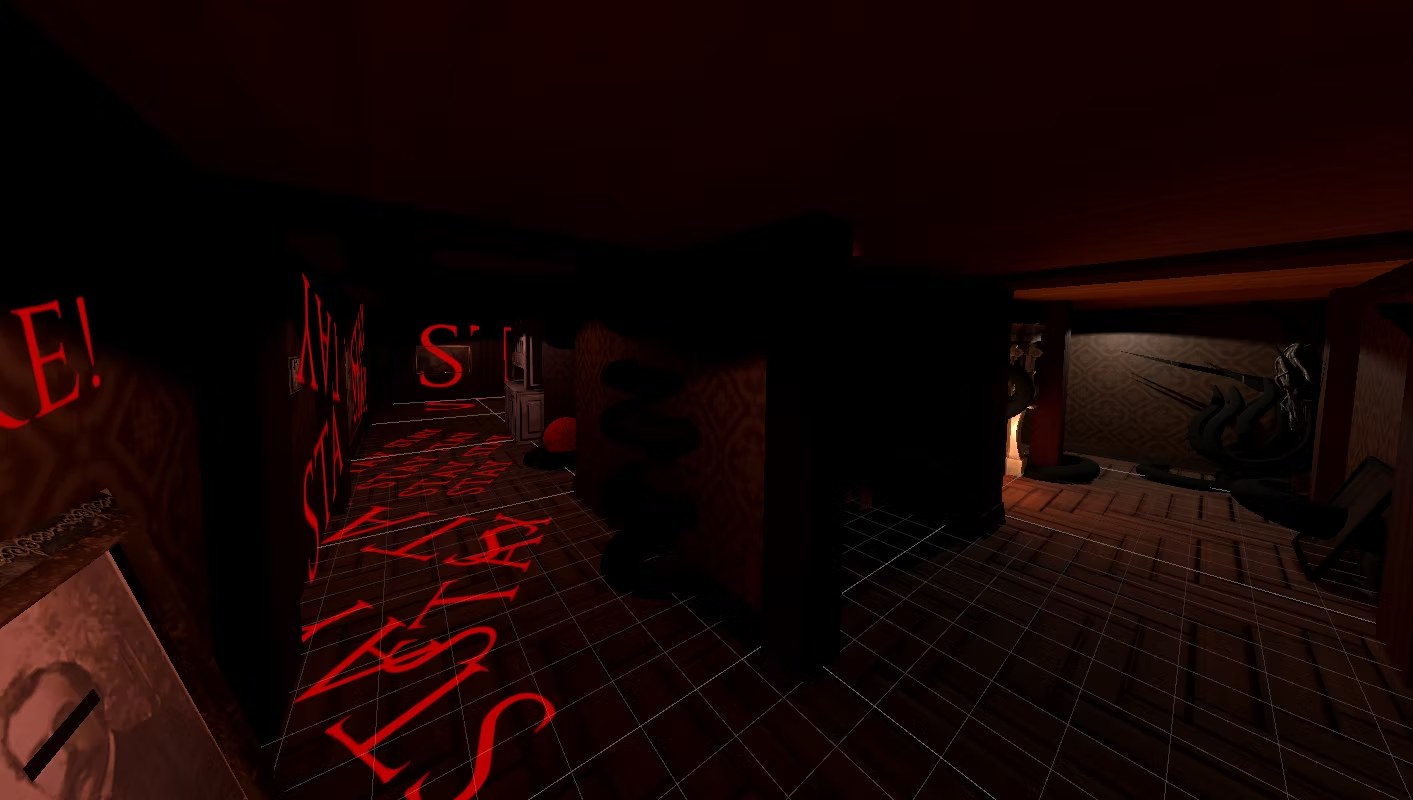
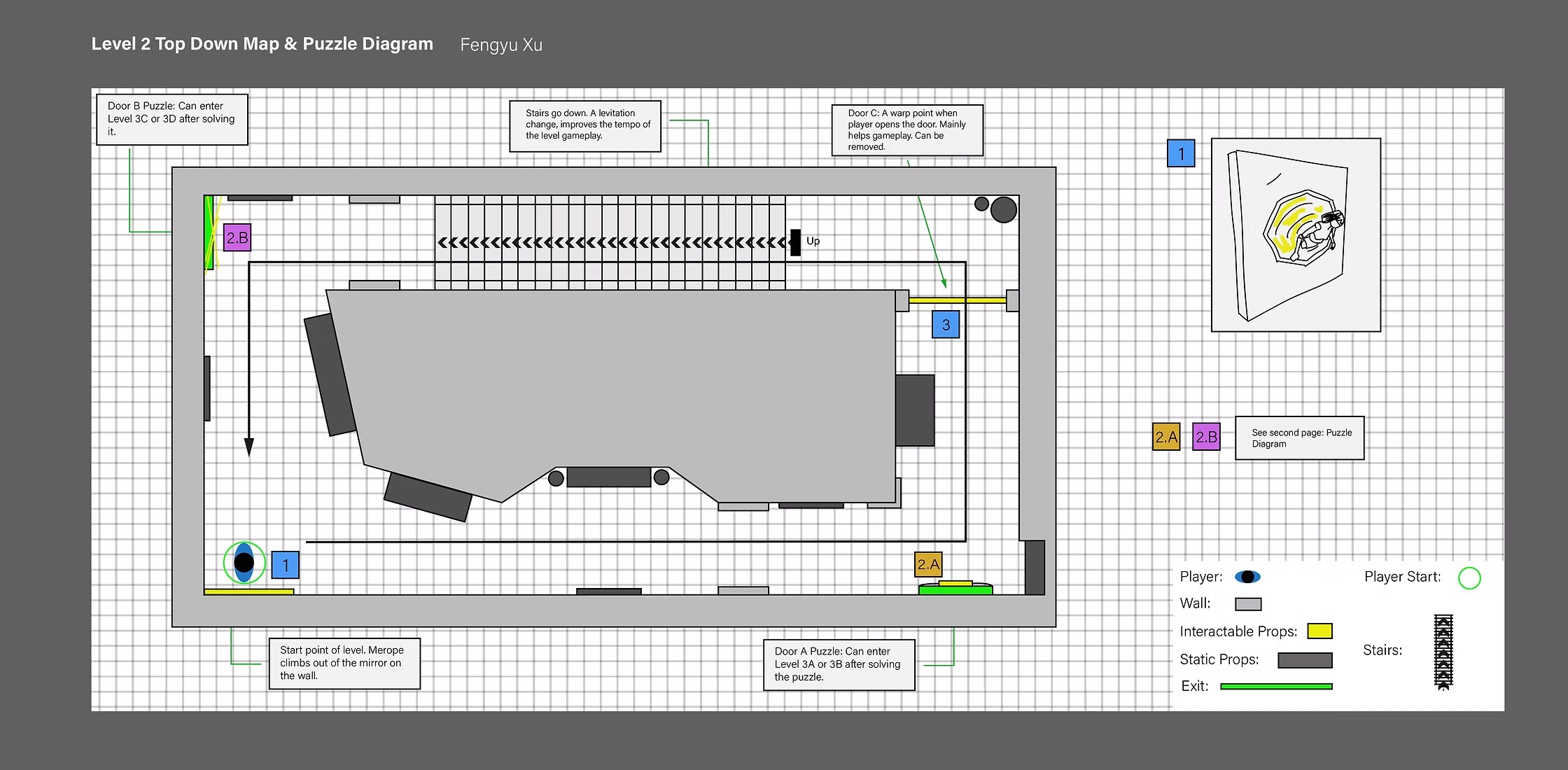
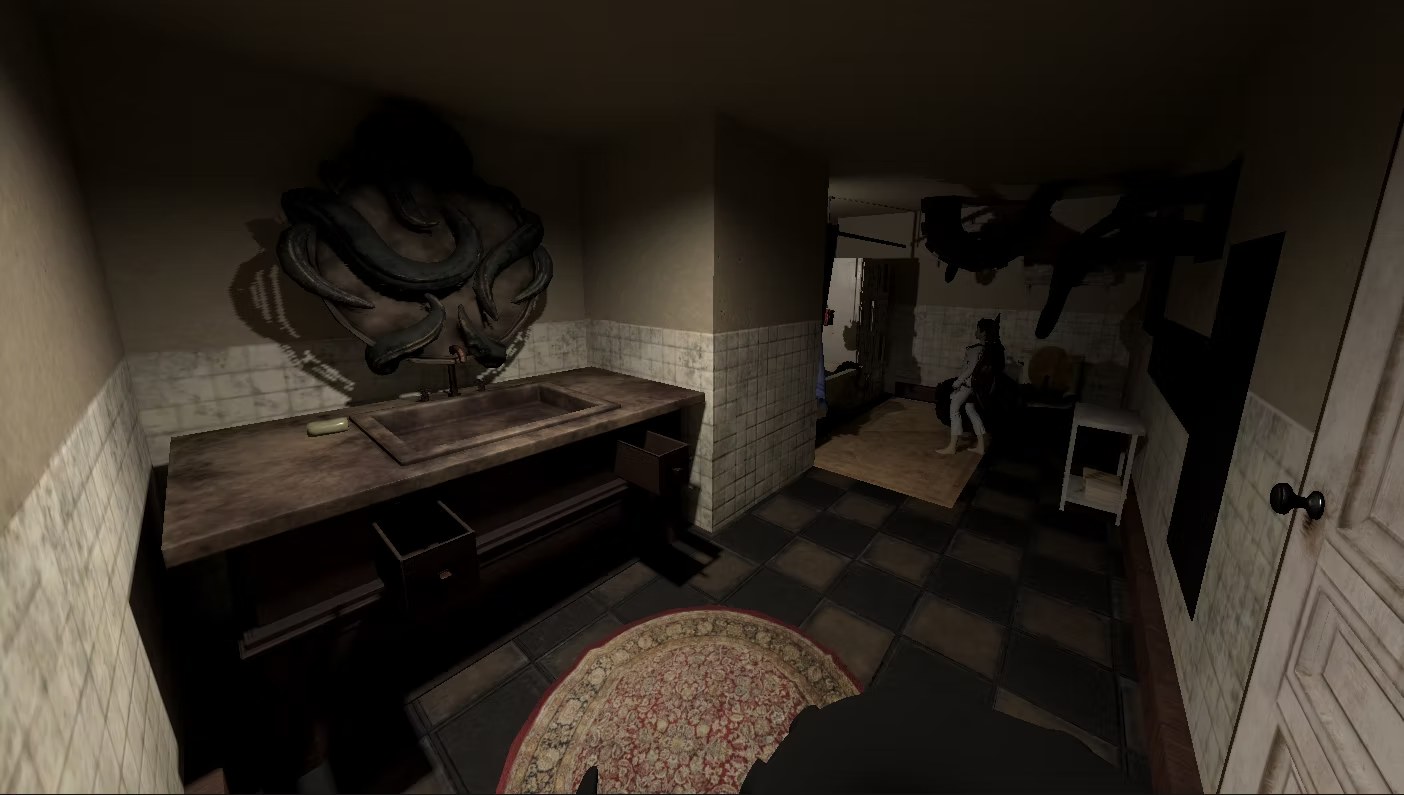
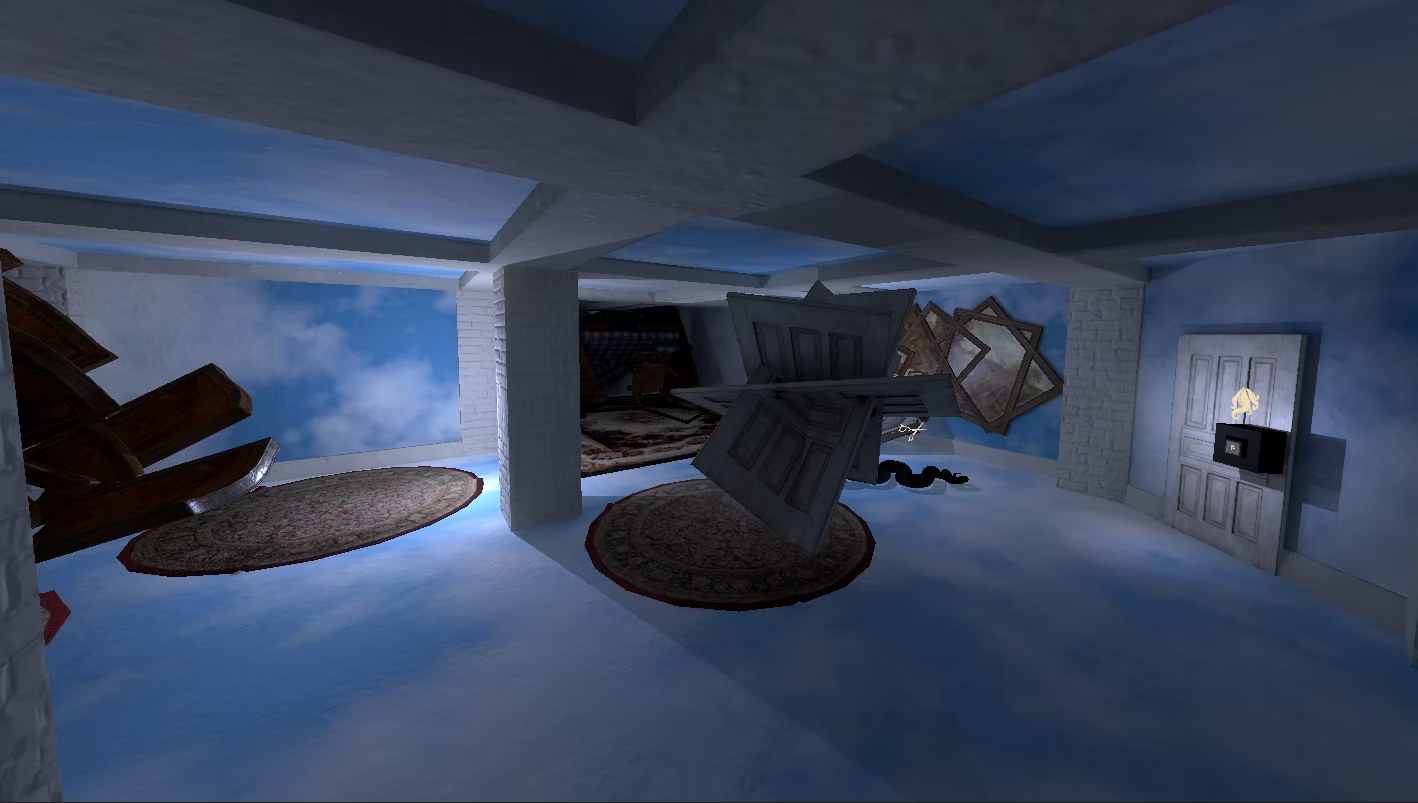
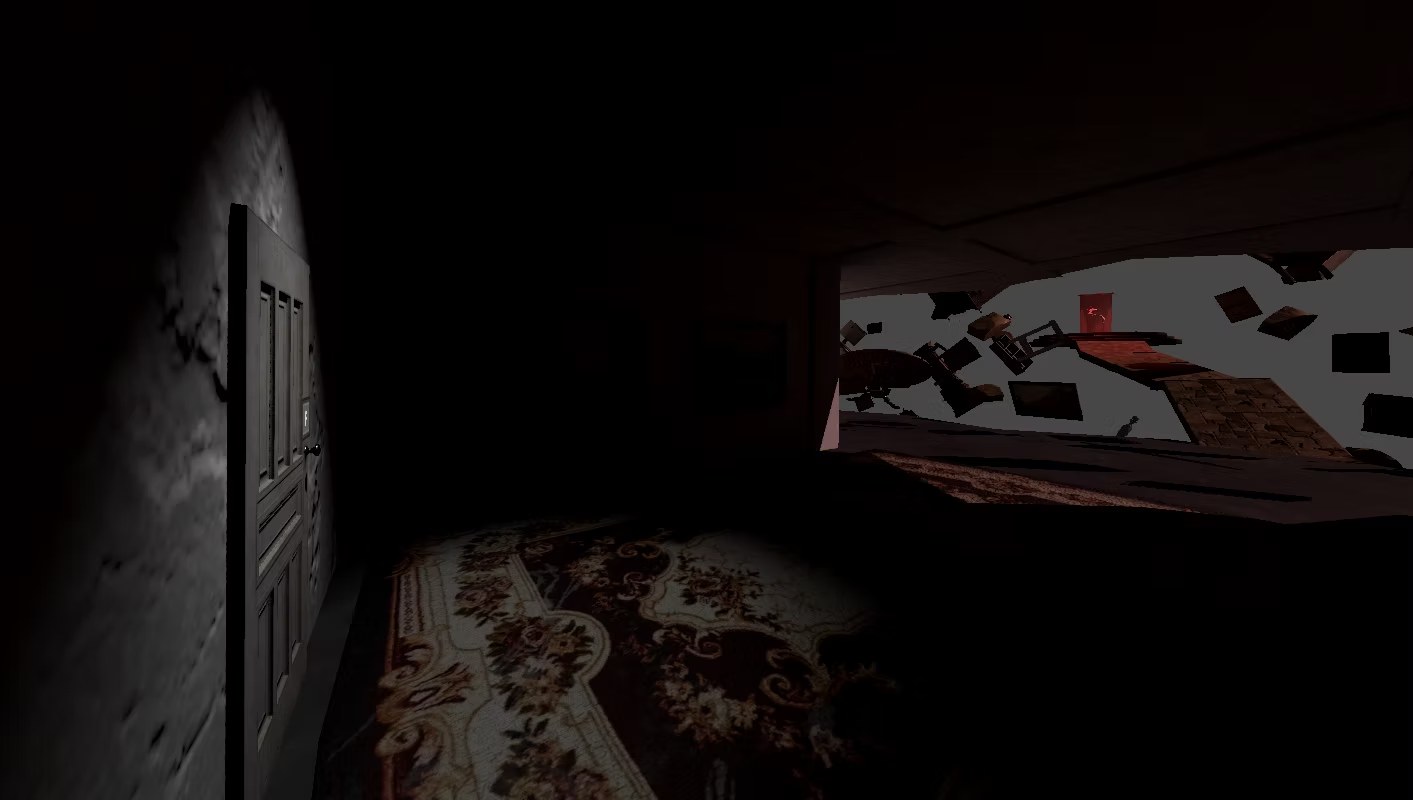
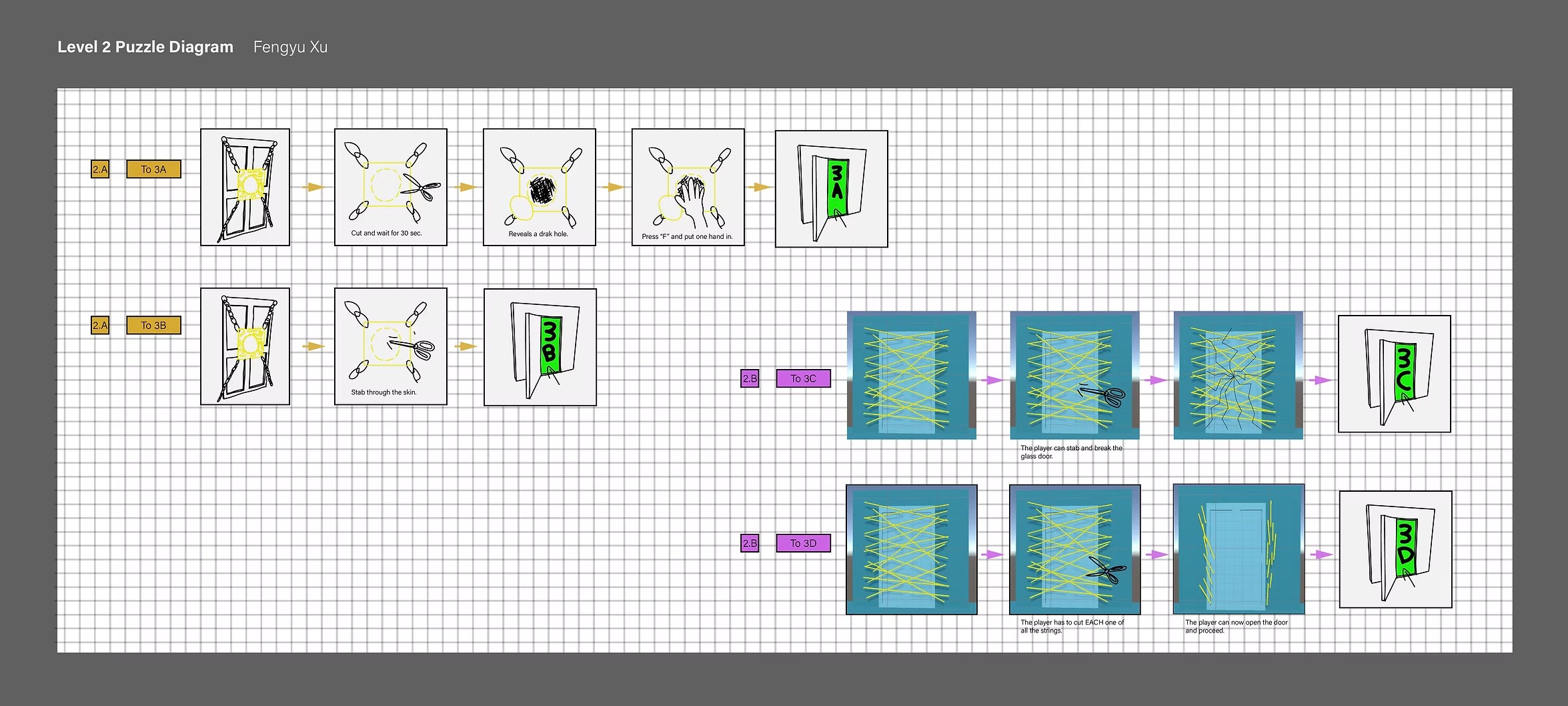
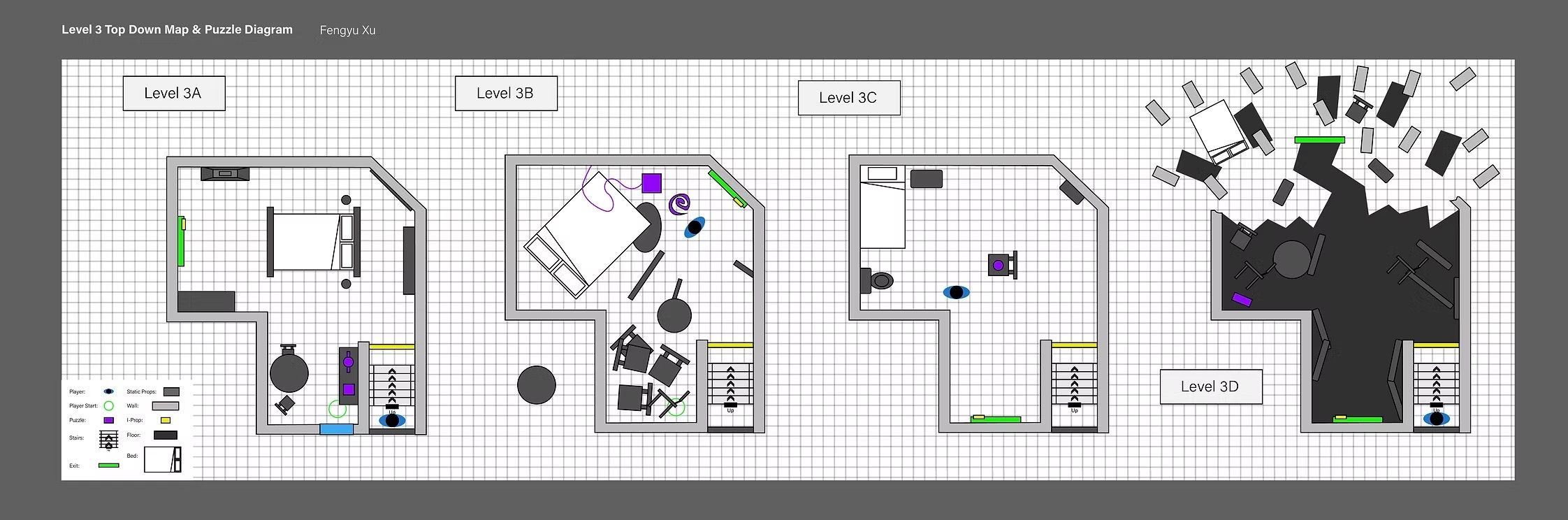
The design scoped the Quantic Dream-inspired branching premise into three levels and ten scenes. Room-scale exploration took cues from Resident Evil 4 and Resident Evil 7, using third-person navigation, puzzle sequencing, cutscenes, and compact blockmesh layouts to make each decision legible.
Outcome
The released build frames the horror loop around reading spaces and people carefully: players solve puzzles in different ways, choose who to trust, and uncover secrets that can change the route toward the ending.
Transferred production notes
- Created the seven-week production schedule and assigned individual workloads.
- Developed the Game Design Document and mood board for the art team.
- Designed level layouts and blockmesh structure.
- Scripted gameplay sequences, including cutscenes, puzzles, and progression beats.
- Implemented sound effects.
- Wrote weekly reports for the team.
Player-facing structure
- Different choices should be able to lead toward different storyline outcomes.
- Puzzle solutions should support alternate routes and endings.
- Every ally decision should carry uncertainty because each character has secrets.
- Compact rooms should stay readable from a third-person camera.
- Production scope should protect the strongest branching and horror beats instead of spreading the team thin.
Comparable game language
- Quantic Dream games
- Resident Evil 4
- Resident Evil 7
- Cthulhu mythos
Narrative and puzzle notes
- The original branching concept was scaled down for a small team and short development timeframe.
- The final structure uses three levels made from ten scenes.
- The itch.io release notes mention update 1.2 adding new cutscenes and fixing lighting issues.
Original public pages